

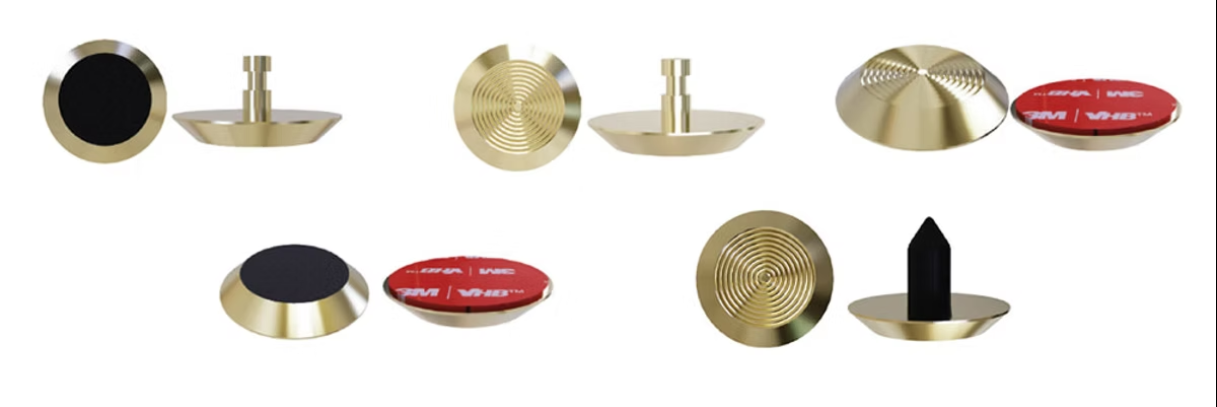
Selecting the right material for tactile safety indicators requires balancing upfront costs against long-term performance requirements. Brass and stainless steel represent two popular choices, each with distinct advantages and limitations. Understanding the differences between these materials will help you make an informed decision based on your facility’s specific needs and budget constraints.
Understanding Brass Tactile Studs
Affordability and Initial Investment
Brass tactile studs offer a cost-effective solution for facilities with budget constraints. The lower initial purchase price makes brass an attractive option for large-scale installations covering extensive areas. If your primary concern is minimizing upfront expenses, brass tactile studs provide an economical entry point into accessibility improvements without compromising basic functionality.
Aesthetic and Visual Appeal
Brass delivers an attractive golden appearance that complements many architectural styles and design schemes. This aesthetic advantage makes brass tactile studs popular in high-visibility areas where appearance matters alongside function. The warm tone of brass creates a professional look that integrates well with building exteriors and interior finishing.
Limited Durability Concerns
Brass is susceptible to corrosion and tarnishing, particularly in harsh environmental conditions. Coastal areas with salt spray exposure, regions with significant moisture, and locations using deicing chemicals can accelerate brass degradation. The material requires regular maintenance to preserve its appearance and may need replacement sooner than other options.
Exploring Stainless Steel Tactile Studs
Superior Corrosion Resistance
Stainless steel tactile studs excel in challenging environments where other materials fail. The material’s inherent corrosion resistance makes it ideal for locations exposed to moisture, salt spray, and chemical treatments. Unlike brass, stainless steel maintains its integrity without special coatings or frequent maintenance interventions.
Exceptional Durability and Longevity
Stainless steel tactile studs deliver extended service life that justifies higher initial costs. The material withstands extreme temperature fluctuations, heavy foot traffic, and aggressive weather conditions. Facilities planning permanent accessibility improvements benefit significantly from stainless steels proven durability and minimal deterioration over decades of use.
Lower Long-Term Maintenance
While stainless steel requires higher upfront investment, maintenance costs decrease substantially over time. The material resists tarnishing and corrosion without needing protective coatings or regular cleaning treatments. This reduced maintenance burden translates to lower operational costs and fewer disruptions to facility operations.
Cost Analysis and Long-Term Value
Initial Purchase Price Comparison
Brass tactile studs typically cost significantly less than stainless steel alternatives. For facilities with limited budgets and temporary installation needs, brass represents an economical choice. However, the price difference becomes less significant when calculating the total cost of ownership across multiple years.
Total Cost of Ownership
Stainless steel’s higher initial expense must be evaluated against its extended lifespan and reduced maintenance requirements. A stainless-steel installation lasting twenty years with minimal maintenance may cost less overall than replacing brass studs’ multiple times. The return on investment improves as time extends.
Material Comparison and Selection Guide
Advantages of Brass Tactile Studs:
- Lower initial cost, attractive golden appearance, suitable for indoor climate-controlled spaces, requires regular maintenance and occasional replacement, vulnerable to corrosion in salt spray environments, best for temporary or budget-conscious installations, and adequate for moderate-traffic zones.
Disadvantages of Brass Tactile Studs:
- Tarnishes over time, requiring periodic cleaning; can develop patina affecting appearance; has a limited lifespan in harsh outdoor conditions; may need replacement every five to ten years; is not suitable for coastal or high-moisture areas; requires protective sealant applications.
Advantages of Stainless-Steel Tactile Studs:
- Higher initial investment provides superior value, excellent for outdoor and permanent installations, minimal maintenance requirements, resists corrosion in all environmental conditions, ideal for coastal areas and high-moisture zones, suitable for high-traffic transit systems, and has a proven longevity of twenty years or more.
Disadvantages of Stainless-Steel Tactile Studs:
- Requires larger upfront budget allocation; professional installation recommended for optimal results; performs exceptionally in deicing chemical exposure; maintains appearance without periodic treatments; reduces operational disruption from replacements; delivers better long-term cost efficiency.
Making Your Selection Decision
Consider your facility’s environmental conditions, expected installation duration, and long-term accessibility goals. Coastal facilities, outdoor transit systems, and permanent public infrastructure benefit substantially from stainless steel’s superior performance. Indoor facilities with controlled conditions and temporary needs may find brass adequate and cost-efficient.
Evaluate your maintenance capacity and budget constraints carefully. If regular maintenance is feasible and replacement costs are acceptable, brass tactile studs work for appropriate applications. If you prefer minimal maintenance and extended service life, stainless steel’s higher initial cost delivers better overall value.
Conclusion
Brass and stainless-steel tactile studs serve different purposes based on application requirements and budget considerations. Brass offers affordability for suitable environments, while stainless steel provides unmatched durability for demanding conditions. Assess your facility’s specific needs, environmental exposure, and financial constraints to select the material offering the best combination of performance and value for your accessibility improvement project.
