

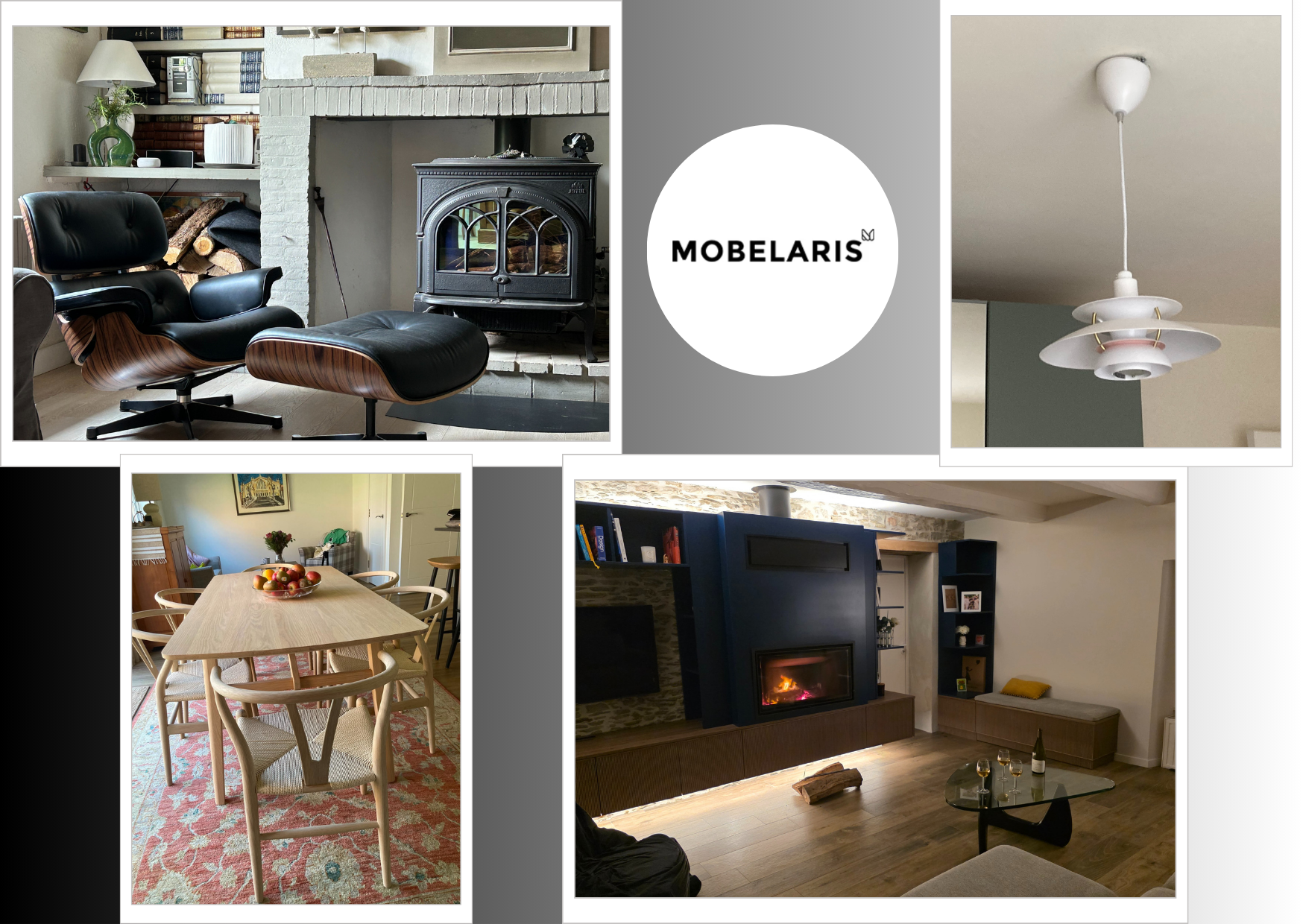
Start With the Right Fit and Use Case
A successful purchase begins with understanding how you’ll use the chair. Measure your dining or workspace and confirm seat height, overall width, and the chair’s footprint in the room. If the chair is for everyday dining, prioritize wishbone chair replica comfort and stability over purely decorative styling. For a reading nook or desk, focus on back support, leg clearance, and whether the chair will fit smoothly under your table or surface.
Consider who will use the chair and how often it will be moved. If you’re placing it in a high-traffic area, look for durable joinery and a finish that resists daily wear. If you have a family that includes children, check whether the seat and back geometry feels secure and not overly steep. For outdoor-adjacent use, verify whether the materials and protective coating are designed for humidity and temperature changes.
Verify Materials, Joinery, and Finish Quality
When evaluating a, inspect the frame materials and how the wood has been shaped. Look for even sanding, consistent grain, and a finish that feels smooth without being overly glossy or sticky. The chair should camaleonda sofa replica show clear craftsmanship at connection points, including clean edges and tight joints. If the design includes a distinctive Y-shaped back, confirm that the structure is rigid rather than flexible or loosely assembled.
Finish matters more than many shoppers expect, especially for a chair that will be cleaned frequently. Ask for details about the protective coating and how it handles spills, stains, and routine wiping. A good finish should tolerate mild cleaners without dulling or clouding. If you prefer a Scandinavian look, choose a tone that complements your flooring and textiles, and test how the chair color reads in both bright and softer lighting.
Choose Matching Style and Pairing With Complementary Pieces
Your room will look intentional when the chair’s style matches the rest of your interior, from table design to flooring tones. If you’re aiming for a cohesive mid-century Scandinavian vibe, keep an eye on proportions and leg thickness across pieces. Compare the chair’s silhouette against your dining table or sideboard so the lines feel balanced rather than competing. A practical tip is to bring a fabric swatch or reference photo to help judge undertones in wood and upholstery.
If you’re also furnishing a living area, pairing with a camaleonda-style sofa replica can unify the overall atmosphere. Start by aligning the color temperature—warm woods pair well with warmer upholstery tones, while lighter frames can look sharper with cooler fabrics. Think about scale: a low, lounge-forward sofa can make dining chairs feel more prominent, so ensure the chair’s back height and footprint still feel comfortable. When you combine pieces, keep at least one visual theme consistent, such as matte finishes, rounded edges, or a shared neutral palette.
Conclusion
A practical approach to buying a is all about measurements, material verification, and styling decisions that work with your room rather than against it. When you check stability, joinery quality, and finish durability, you reduce the risk of paying for aesthetics only to find comfort or longevity lacking. Pairing thoughtfully with other statement designs helps the entire space feel curated, especially when you connect the wood tone, line direction, and texture choices. For a refined designer-furniture look with European delivery, mobelaris is a helpful place to explore handcrafted options built for everyday living.
Use the guide as a checklist: confirm fit, inspect construction, and choose complementary pieces that share your desired visual mood. If you can, compare multiple finishes in natural light so you understand how the chair will look throughout the day. Lastly, consider how easy it will be to maintain the surface and whether the chair will remain comfortable as your needs evolve. With the right selection, a classic chair design becomes a long-term foundation for your home.