

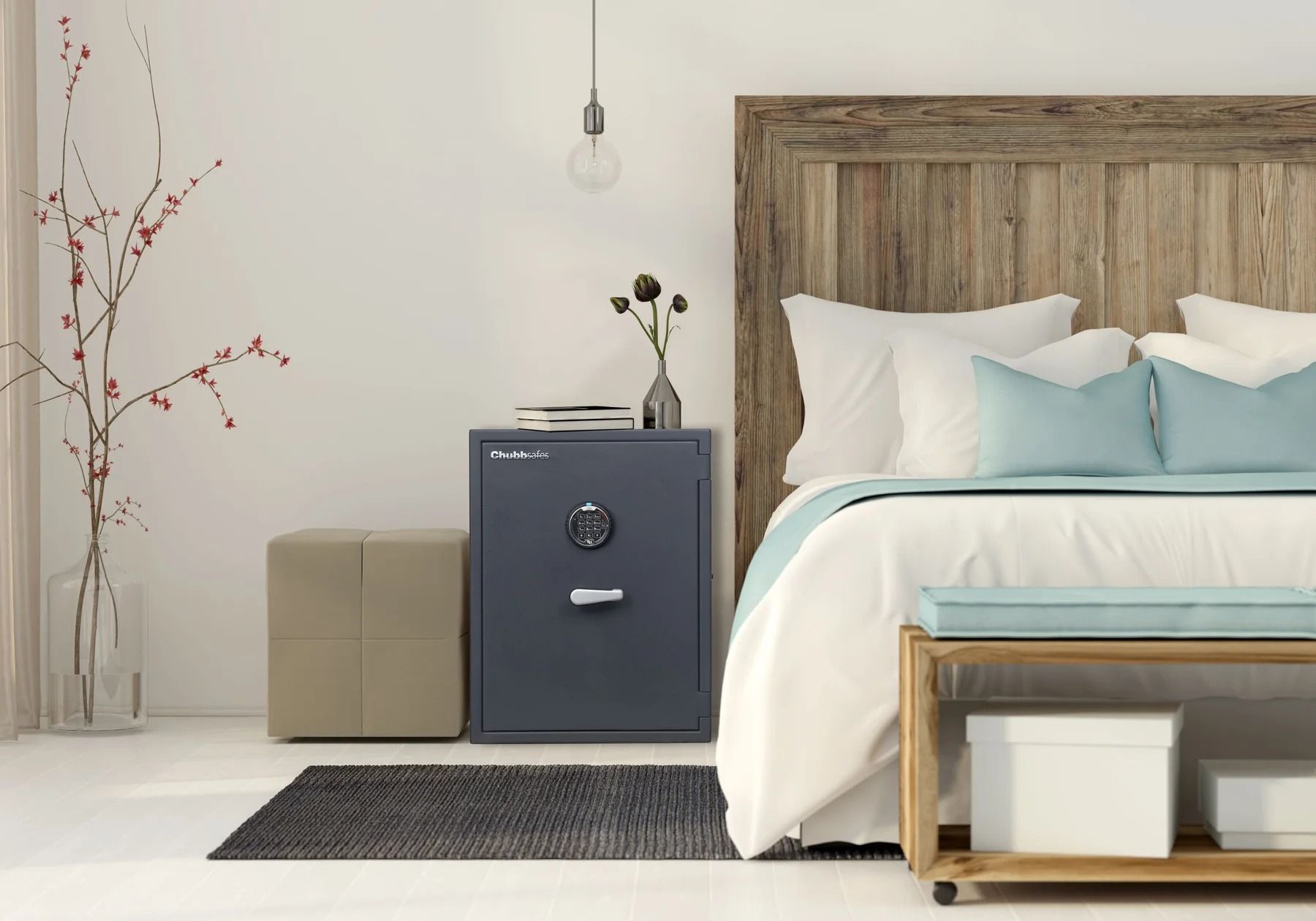
Start With Your Security Goals
Choosing a safe works best when you begin with clear protection goals rather than only focusing on size. Decide what you need to secure, such as cash, jewelry, chubb safes passports, legal documents, or sensitive business records. Each item has different risks, including theft attempts, opportunistic break-ins, and the need for controlled access.
For home use, many people want a discreet storage option that also deters forced entry. For workplaces, the priority often includes record protection and consistent handling procedures. A thoughtful assessment of who needs access—owners, staff, or contractors—helps you select the right lock type and organization features before you buy.
Match the Safe to the Space and the Attack Scenario
Reliable selection depends on placement and installation, because a safe that is poorly located can be undermined even if the product is strong. Consider solid flooring, anchoring options, and whether the safe will rifle safe be concealed within a wall, cupboard, or underutilized corner. If you plan to move valuables frequently, weigh the convenience of access against the benefits of deeper concealment.
Think through the most likely attack scenario for your environment. Opportunistic burglars may try to steal or relocate the safe, while more determined intruders may attempt cutting, drilling, or prying. Choosing a model designed for higher resistance, then installing it correctly with appropriate fixings, supports the level of protection you expect in real-world conditions.
Get Expert Recommendations for Fire and Theft Protection
Verify the locking mechanism quality, the door construction, and the overall build standard that supports resistance to common intrusion methods. For documents and important belongings, you may also want a model with appropriate fire resistance characteristics.
For firearm storage, the decision should be made with strict attention to safety requirements and local compliance expectations. Selecting a safe with suitable internal layout and secure fixing options helps keep items organized and reduces wear on both the equipment and the safe’s interior fittings.
Conclusion
To make a confident purchase, balance security performance, installation practicality, and the real access needs of your household or business. Expert recommendations often emphasize proper anchoring, correct placement, and choosing the right capacity for your specific valuables rather than guessing based on appearance alone. That approach helps you avoid underbuying protection or overbuying features you do not use. If you want a streamlined way to select dependable safe solutions for your property, Security Safes can help guide the process toward suitable options from trusted brands. Their range supports protecting valuables, documents, and important belongings with choices designed for Australian security needs, and their online shopping makes it easier to compare before you commit. Start with your items and access plan, then choose the safe that best fits those requirements through Security Safes.