

Start With the Right Security Problem
Most people don’t buy a safe because they enjoy shopping for hardware. They buy one because they’re trying to solve a specific risk, like protecting cash, documents, passports, or jewellery from theft. Others need protection for valuables safes bunnings that could be damaged by fire or water exposure. The first step is to list what you want to protect and what could realistically threaten it in your home or workplace.
Another common problem is choosing a safe that fits the space but fails the security requirement. A small box may be easy to purchase, but it can also be easy to move or pry open if it isn’t designed for your threat level. Similarly, a safe that looks heavy and solid might not be the correct type for fire protection if its fire rating isn’t suitable. Identifying the primary purpose—burglary resistance, fire resistance, or both—helps you narrow choices quickly and avoid expensive mistakes.
Match the Safe Type to Your Real Needs
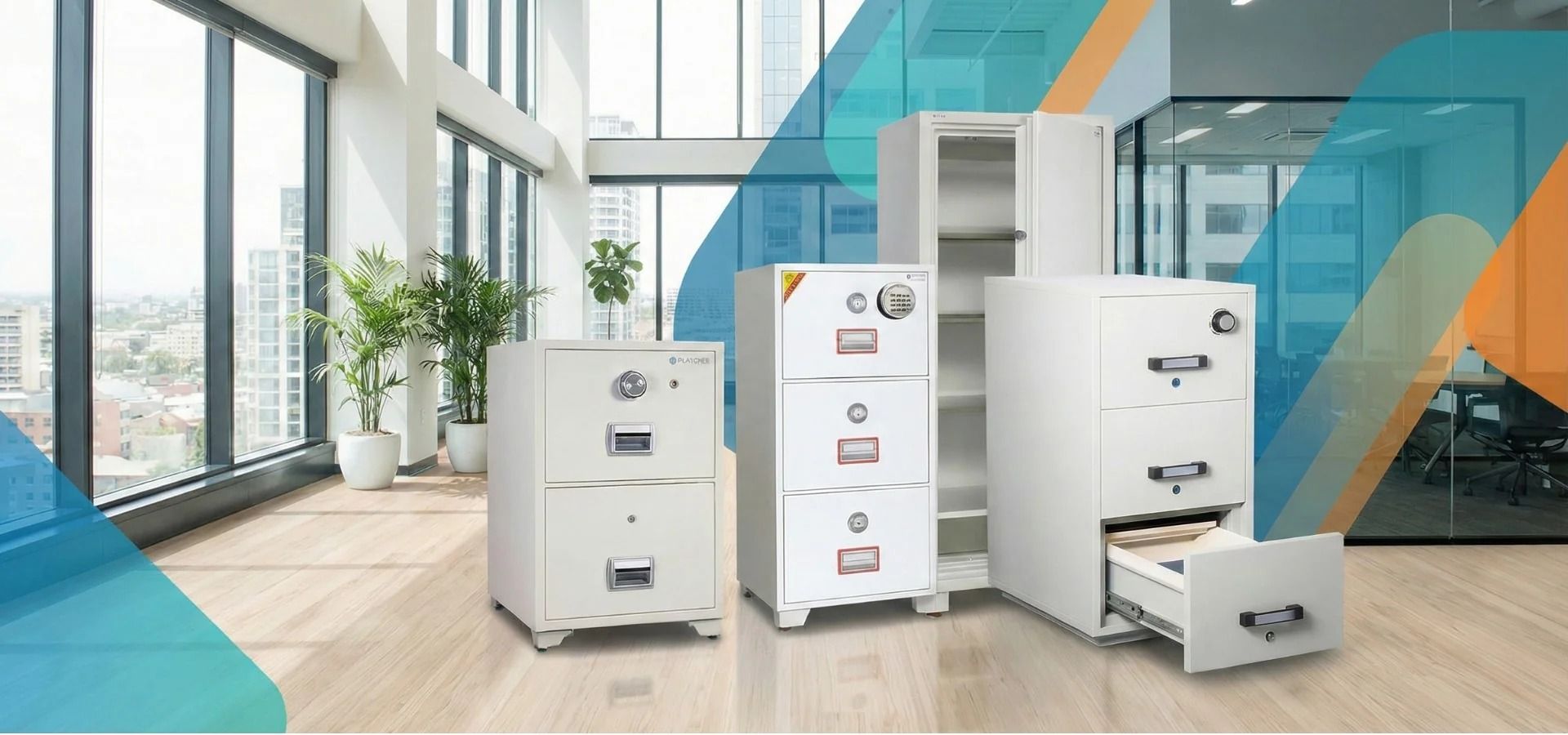
A basic home safe is often chosen for cash and documents, while fireproof safes focus on protecting paper and media during high temperatures. Gun safes best home safe australia are designed with secure internal locking and appropriate storage configurations, which can be essential for responsible ownership. If you need multiple layers of protection, consider models that address more than one risk.
Size matters, but not in the way many shoppers assume. A safe should be large enough to store your items comfortably, yet compact enough to secure in a suitable location. If the safe can be anchored to a wall or floor, you gain an extra layer of resistance against theft attempts. Many buyers also overlook access planning, such as how you will retrieve documents quickly while keeping the locking mechanism secure. By matching safe type, dimensions, and access needs, you create a practical solution rather than a decorative one.
Check Locking, Ratings, and Installation Options
A strong safe is defined by more than its exterior appearance. Look closely at the locking mechanism and the build quality, because these details influence how effectively the safe withstands attack. Fireproof performance should be supported by a verifiable fire rating, especially if you’re storing important paperwork or electronic storage. For burglary resistance, assess the safe’s intended use and construction, including how it handles prying, drilling, and forced entry attempts.
Installation is where many solutions succeed or fail. If you can anchor the safe, the unit becomes much harder to remove, which deters opportunistic theft. Some homes require planning for placement near studs, concrete, or other solid mounting surfaces. It’s also wise to consider how the safe will be maintained, including keeping the locking area free from dust and ensuring you can operate it reliably. When you choose with installation in mind, you reduce future frustration and improve long-term security.
Conclusion
Choosing the right safe doesn’t have to be complicated if you approach it as a problem-solution process. Start by identifying what you’re protecting, then select the safe type that matches that threat, and finally verify locking performance and relevant ratings. You’ll get a more reliable outcome than simply picking the biggest option or the cheapest box available. Buy A Safe stocks home, commercial, gun, and fireproof safes from leading brands, helping you compare options with confidence.