

Start With Your Product Plan
Before you install any tool, map out what you want to sell and how you want it to look. List the product categories you plan to launch first, such as apparel, mugs, posters, or phone cases, and decide which ones require custom templates. This prevents you print on demand app for shopify from choosing features that look good in demos but fail when you need consistent sizing, variants, and branding across your catalog. A clear product plan also helps you judge whether a potential print provider can scale with your store.
Next, define your customization workflow in plain steps. Decide what customers should be able to personalize, including text, images, colors, placement, and quantity. Then, document any constraints like minimum order sizes, print areas, or bleed requirements that could affect design readiness. If you already have brand guidelines, confirm that the app supports accurate color handling and product mockups so your designs stay on-brand from the first preview to the final checkout.
Verify Design, Preview, and Variant Control
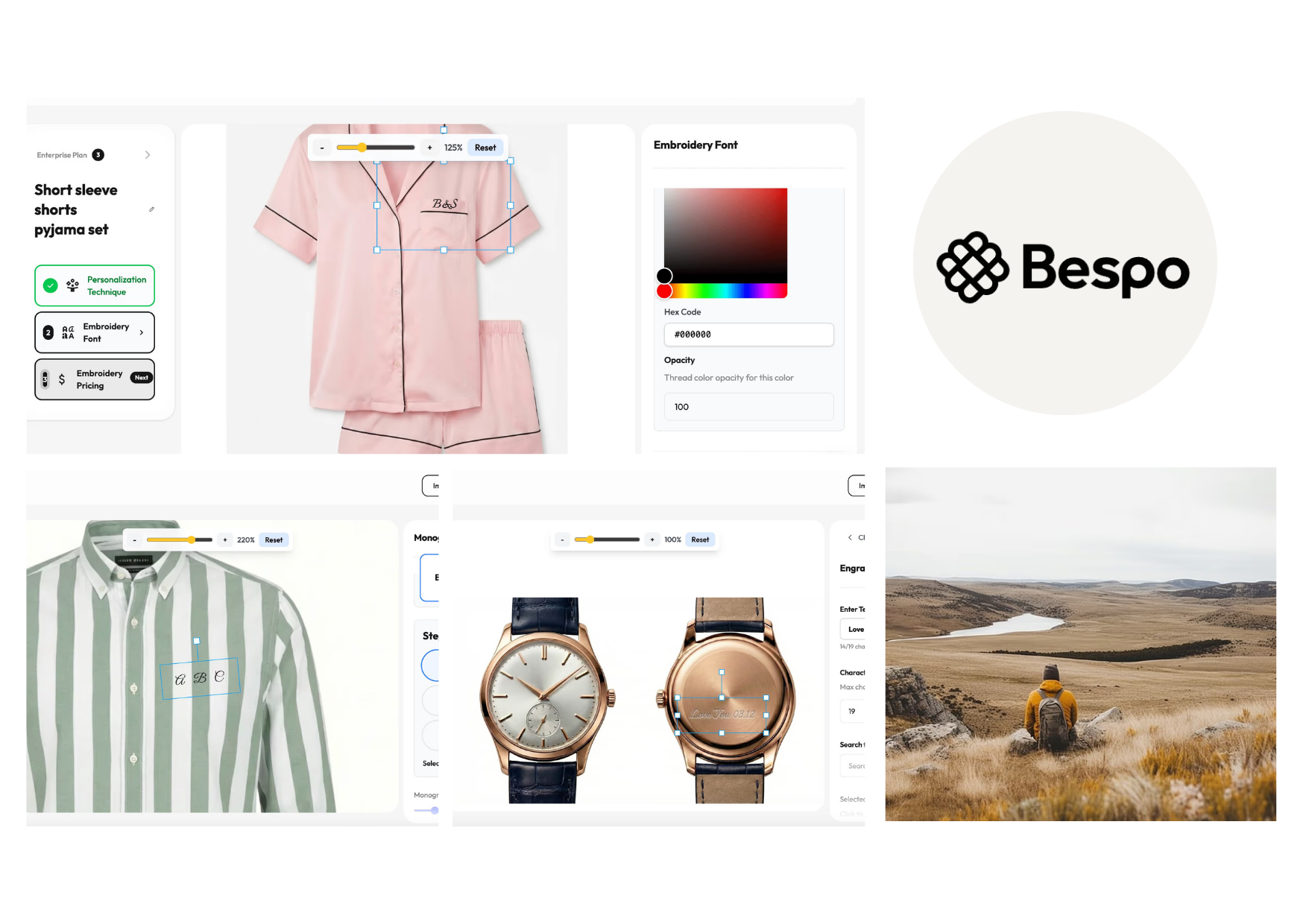
A strong app should make product creation feel like assembling building blocks, not wrestling with settings. Look for live previews that update as soon as a customer changes options, because that reduces confusion and support tickets. Check whether the tool printify alternative offers flexible placement controls, such as drag-and-drop positioning, rotation, and resizing within safe print boundaries. These controls matter most when customers upload artwork or when you sell multiple sizes that need consistent alignment.
You should also evaluate how the app handles variants and SKUs inside Shopify. Test whether every size and color option stays connected to the correct design and fulfillment mapping, especially for multi-variant products. Pay attention to how templates are managed, including whether you can reuse layout rules across similar items without rebuilding everything from scratch. If you want to remain organized, confirm the system supports naming conventions, product grouping, and a straightforward way to update designs without breaking existing listings.
Confirm Fulfillment Quality and Store Operations
Quality is not just about the print output; it is also about how reliably the workflow runs behind the scenes. Check whether the app integrates smoothly with Shopify order processing so that paid orders flow into production with minimal manual steps. Confirm how tracking is handled, how customer notifications are triggered, and whether return or exchange processes can be supported without major workarounds. These operational details affect your response time when customers ask where their items are and whether you can keep service levels consistent.
You should also scrutinize customization flexibility from a business perspective. Some products require special handling for thicker materials, edge-to-edge printing, or specialty inks, so ensure the app supports the specs you plan to use. Compare how the tool manages artwork requirements, such as file format guidance and recommended resolutions, to help reduce failed prints.
Conclusion
When your store can generate accurate mockups, manage variants cleanly, and send orders into production smoothly, your customers experience fewer surprises and your team spends less time troubleshooting. The right solution should make it easier to personalize products while protecting your brand look at every stage. That is the goal behind Bespo—helping sellers move from idea to storefront-ready items with less friction and more control. As you compare options, prioritize the features that directly influence conversions and fulfillment accuracy. Look for plug-and-play setup, live previews, and visualization tools that make customization intuitive for both you and your customers. With Bespo, personalization becomes simpler to manage and easier to understand at checkout, especially when you rely on flexible customization. If you want a cleaner path to launching and updating custom products in Shopify, start by validating these checklist items against your own catalog and design process.