

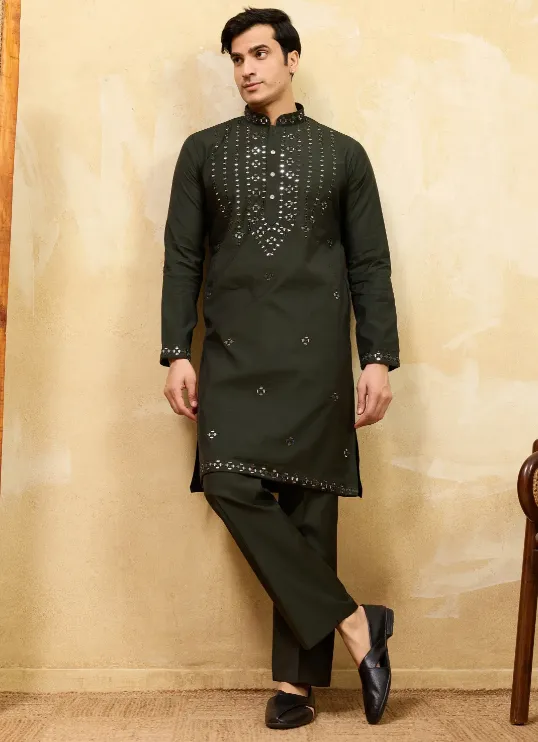
Coordinating five or six men for a wedding is closer to project management than fashion. Everyone has different budgets, body shapes and opinions, yet the photographs must still look cohesive. Choosing a wedding ethnic dress for men that suits the whole group takes a clear plan, honest conversations and a calendar that starts earlier than most people expect.
Start With a Palette, Not an Outfit
Instead of picking a single outfit and asking everyone to buy it, agree on two or three colours first. A shared palette lets each man wear something that suits his skin tone and build while the group still looks united in photographs. Pastels, earth tones and deep jewel shades all work well.
Share the palette with the family stylist or the bride, since the groom’s colours should sit comfortably beside the bridal outfits. A quick swatch sent by message avoids awkward surprises on the morning of the event, when nothing can be changed and tempers run short.
Shop Within a Single Style Family
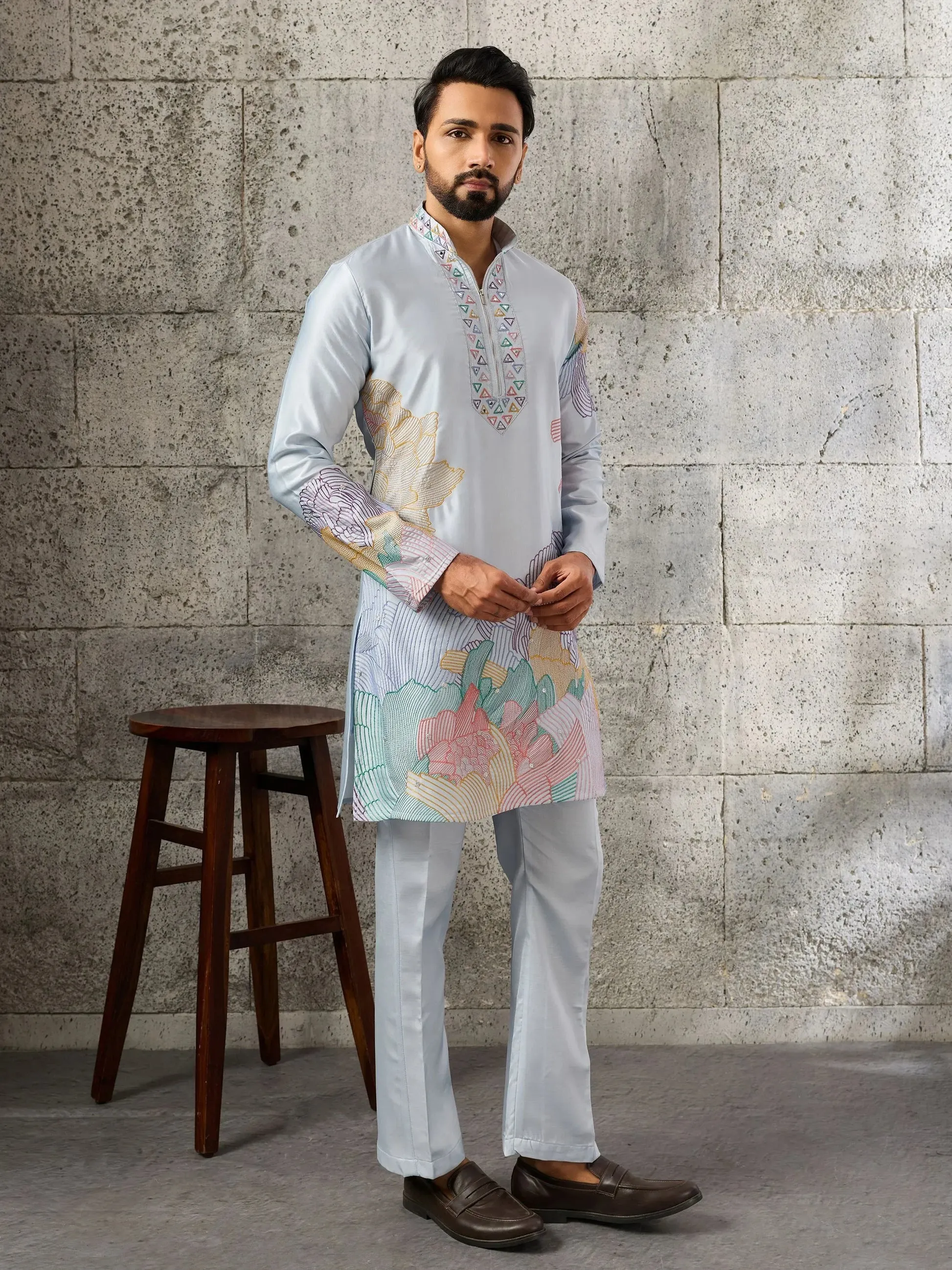
Browsing indian wedding dresses for men shows how wide the range is, from simple kurta pyjamas to Nehru jackets and bandhgalas. Keep the group within one family of cuts, such as long kurtas with jackets, so that nobody looks underdressed or overdressed beside the others in the frame.
Allow small personal touches, like a different pocket square or stole. These details let each man express himself without disturbing the overall look. The groom can then stand apart through a richer fabric, a darker shade or heavier embroidery, which is exactly how it should be.
Fit Matters More Than Fabric
A beautifully woven kurta looks poor if the shoulders droop. Ask every man to measure chest, shoulder, waist and kurta length in the same way. Send one short measurement guide to the whole group, so the information arrives consistently and nothing gets lost among a hundred chat messages.
Plan a trial day at least two weeks before the wedding. Tailors need time to adjust sleeves and hems, and men living in other cities can send photographs of themselves wearing the outfit. It is far easier to fix a problem early than to hide it later.
Budgets Without Awkwardness
Money is the quiet hurdle in group dressing. Set a price range openly and offer options at several levels, so nobody feels pressured to overspend. Some groups let the families cover the outfit for close relatives while friends buy their own pieces, and that arrangement usually feels fair to everyone involved.
Rentals can help for stoles, turbans and heavy jackets that will rarely be worn again. Mixing bought kurtas with rented extras keeps costs steady while still letting the group look polished and coordinated through a long ceremony, a lively procession and the evening photographs.
A Timeline That Actually Works
Work backwards from the wedding date. Six weeks before, fix the palette. Four weeks before, place orders. Two weeks before, finish trials and alterations. One week before, collect everything and pack it neatly with labels for each person, so nobody arrives without a stole or a pair of matching buttons.
Put one reliable person in charge of reminders. Group chats drift, and a single organiser who nudges everyone gently saves the groom from last minute panic. Share the plan in writing, with dates, so the schedule survives even when the conversation moves on to other things.
On the Day Itself
Assign one person to carry a small repair kit with pins, a lint roller and spare buttons. Comfortable footwear matters as much as the clothes, since the group will stand through hours of photographs, rituals and greeting relatives who each want a separate picture.
Take a group photograph early, while everyone is fresh and the outfits are still crisp. After that, relax and enjoy the celebration. A group that has planned well rarely thinks about its clothes again, which is the best sign the planning worked.
Handling Disagreements Gracefully
Someone in the group will always dislike the colour, the cut or the price. Listen first, then offer two alternatives that stay within the palette instead of restarting the entire discussion. People accept decisions much more easily when they feel they were heard properly and not rushed.
If the disagreement turns stubborn, let the groom make the final call. It is his wedding, and a clear decision from him ends the debate quickly. Thank everyone for their patience afterwards, because goodwill among the groomsmen matters far longer than any outfit, and it shows in every photograph.