

A gel manicure is often judged by its colour and shine, but the result starts much earlier. The base coat plays a major role in how the manicure sits on the natural nail, how smooth the surface looks and how much structure is created before colour is added.
For professional nail technicians, choosing a base should not be an automatic step. Different clients have different nail conditions, lengths and style preferences. A base that works well for one person may not be the most practical choice for another. Understanding how different formulations behave can make application more controlled and the finished manicure more balanced.
The Base Sets the Foundation
The base coat sits between the natural nail and the decorative layers above it. Its job is not simply to act as a clear first coat. Depending on the formulation, it can help create a smoother surface, add some structure and support the overall manicure system.
Some bases are thinner and easier to spread in very light layers. Others have a thicker texture and are better suited to levelling minor irregularities. Neither type is automatically superior. The important thing is choosing a consistency that matches the service being carried out.
A technician who works with different nail types will usually benefit from having more than one base option available.
Match the Formula to the Nail
Natural nails vary considerably. Some are firm and even, while others may be more flexible or slightly uneven. The required base can therefore change from one client to another. The FOX Base range includes several base options, including classic, rubber and stronger-style formulations. This kind of variety can be useful when technicians need different levels of thickness or structure depending on the manicure.
For a smooth natural nail, a lighter application may be enough. If the surface is slightly uneven, a more self-levelling formula can make it easier to create a cleaner foundation before colour is applied. The product should still be used carefully. Applying more material than necessary can make the nail look bulky instead of polished.
Coloured Bases Can Change the Workflow
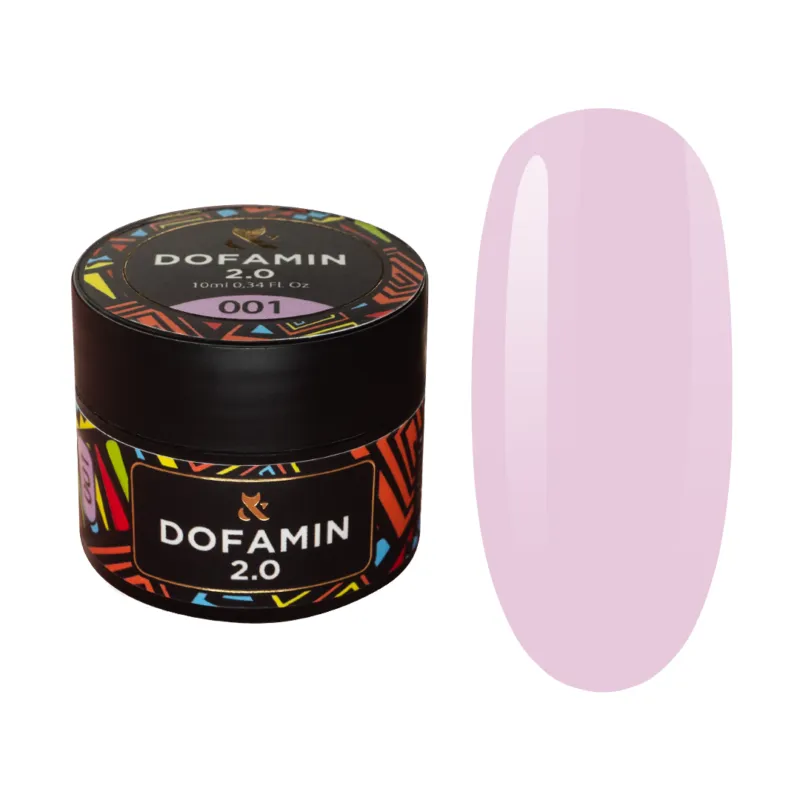
Traditional gel manicures often use a transparent base followed by separate colour coats. However, coloured bases can simplify some styles by combining foundation and visible colour in one stage. This is especially useful for nude, milky, pastel or natural-looking manicures. A tinted base may provide enough colour on its own or reduce the need for several layers of gel polish.
The Luna Base collection includes different coloured and decorative base options. These can be useful when the aim is to create a softer manicure, a brighter look or a design where the base itself contributes to the final appearance. Using this type of product can also make certain services more efficient, provided the application remains even and controlled.
Plan the Final Look Before Application
Base selection is easier when the technician already knows what the finished manicure is supposed to look like. A fully opaque dark colour may work well over a simple neutral foundation. A translucent nude design may require a smoother, more carefully chosen base because the underlying surface remains visible. Decorative or glitter styles may also benefit from a base colour that supports the final design.
Thinking about the complete manicure before starting helps prevent unnecessary layers. Too many products can increase thickness and make the finished nail appear heavy. Planning the sequence also helps technicians select compatible textures and colours.
Application Technique Still Matters
A good product can only perform well when it is applied properly. The base should be spread without touching the surrounding skin or flooding the cuticle area. When extra levelling is needed, the technician can guide the material carefully instead of simply adding a large amount. Looking at the nail from the side can help reveal uneven areas that are difficult to see from above.
Curing should also follow the instructions provided for the specific product. Different formulations may have different recommendations, so technicians should not assume that every base requires the same curing time.
Keep the Base Collection Practical
A professional workstation does not need an excessive number of similar products. A smaller collection of clearly different base types can often be more useful. For example, a technician might keep one standard base, one more structured option and a small selection of coloured bases for popular natural or decorative looks. This gives enough flexibility for different clients without making the workspace difficult to manage.
Organisation also helps reduce wasted time during appointments. When products are arranged by function, it becomes easier to choose the correct option quickly.
Conclusion
Base coat selection may happen early in the appointment, but its effect continues through every layer that follows. Texture, pigmentation and leveling ability can all influence whether the finished manicure appears light and balanced or unnecessarily heavy.
For that reason, it makes sense to treat the base as part of the design rather than simply as a compulsory first layer. Technicians exploring kodiprofessional.com can find different professional base formats that allow this stage of the manicure to be adapted to different looks and natural nail conditions.