

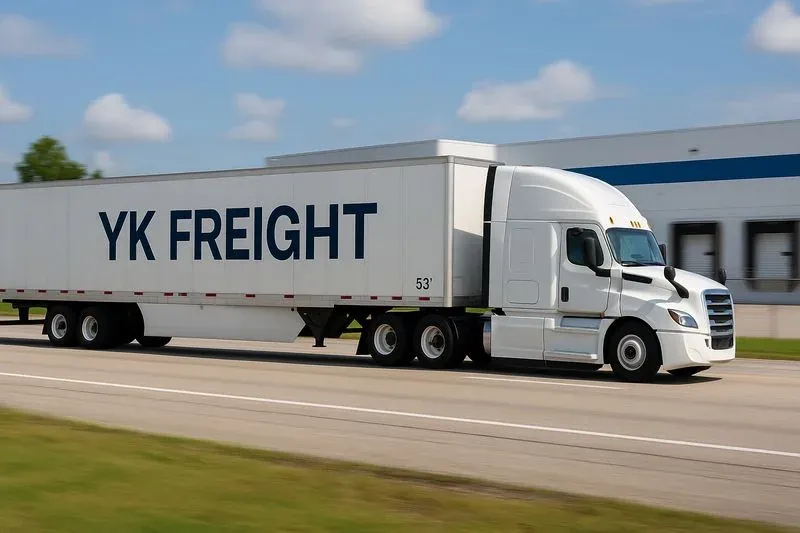
A flexible, functional and versatile transportation mode is needed to move freight throughout Georgia, which can be used for a wide variety of products. The primary reason for the widespread use of dry van trailers is that they keep the goods away from the outside elements in transit, and they are easy to use for transporting packaged goods from one business to another, or from one warehouse to another distribution point. Knowing the basics of this form of freight transportation can assist shippers in making their selection for freight transport.
What Is Dry Van Trucking?
Dry van trucking offers a means of shipping products that do not need temperature control conditions. Rain, road debris and outdoor conditions during transportation are prevented from reaching products, as the design is enclosed.
Many packaged products such as retail products, electronics, furniture, consumer products, clothing and manufactured products can be handled using this method. Enclosed, businesses can transport a variety of general freight without special equipment for all shipments.
How Freight Moves Through Georgia
Georgia has an extensive network of highways connecting major cities, warehouses, distribution centers, and commercial areas. dry van trucking Georgia can support freight movement between these locations while giving businesses a practical option for regional transportation.
The typical shipment starts with a carrier receiving information about a shipment from the shipper. The goods are placed in the trailer, fastened appropriately and moved towards the destination. The load could be sent directly to another facility or through a distribution point to the last receiver, depending on the shipment.
What Is Dry Van Freight?
Dry van freight Georgia typically applies to general freight shipped by dry van trailer all over Georgia. This kind of freight can comprise items that do not require refrigeration, special ventilation or other temperature-sensitive machinery.
This option works, but companies must look closely at their cargo first. A dry van might fit your job, or it might not. Size, weight, and box type matter a lot. Loading setup, final stop, and deadlines play big parts too.
When Dry Vans Make Sense
Dry vans help teams move boxed items or goods between plant floors and sites. Factory managers send cargo to main hubs this way. Stores use them to get stock onto shop shelves.
This setup works great for routes your trucks run on a set plan. The consistency in pickup and delivery needs can aid in planning the transportation process and enhance the shipping schedule for companies.
Additionally, equipment availability is beneficial. Many general freight options will be transported via a dry van trailer, which is a very common trailer for the trucking industry.
Planning a Dry Van Shipment
With good planning, the transportation process can be made smoother. Businesses should have correct data on the goods, pick-up point, delivery address, size and weight of the goods and desired time of pickup before arranging for a shipment.
Packaging also needs to be taken into consideration. Boxes, pallets and other shipping items should be set up to allow the goods to be loaded and secured correctly. Transparent shipment details enable carriers to know what they need to expect when the truck gets there.
Additional points to consider for businesses are loading docks, appointment times and special receiving procedures at either location. These details can have an impact on the shipment’s efficiency in the transport process.
Choosing the Right Transportation Provider
Choosing a transportation company isn’t merely about finding a truck that is available. They should consider the provider’s familiarity with their business’s freight, geographic reach, and how they communicate with clients, as well as their experience handling routine shipping.
It is also helpful to describe in detail the shipment before it is sent on. Only a provider with an understanding of the freight, route and scheduling requirements and delivery expectations is able to plan the movement better.
Establishing a regular freight relationship with companies from Georgia can be helpful in helping streamline the organization of future shipments in the state. Creating a consistent freight relationship with companies in Georgia can be beneficial for future shipments in the state. It can also provide shipping teams with a familiar procedure to manage frequent transportation requirements.
Conclusion
Many different kinds of non-temperature-sensitive cargo can be transported easily from one place to another in Georgia using dry van transportation. It is important because its enclosed equipment, wide applicability and acceptance as a packaging material provide a wide range of options for manufacturers, distributors, retailers, and other companies. Planning is still essential, particularly if there are specific loading, scheduling or delivery requirements for freight. For businesses looking for reliable freight transport services, they can visit ykfreight.com and check out the services provided to find out which one of them suits their shipping requirements.