

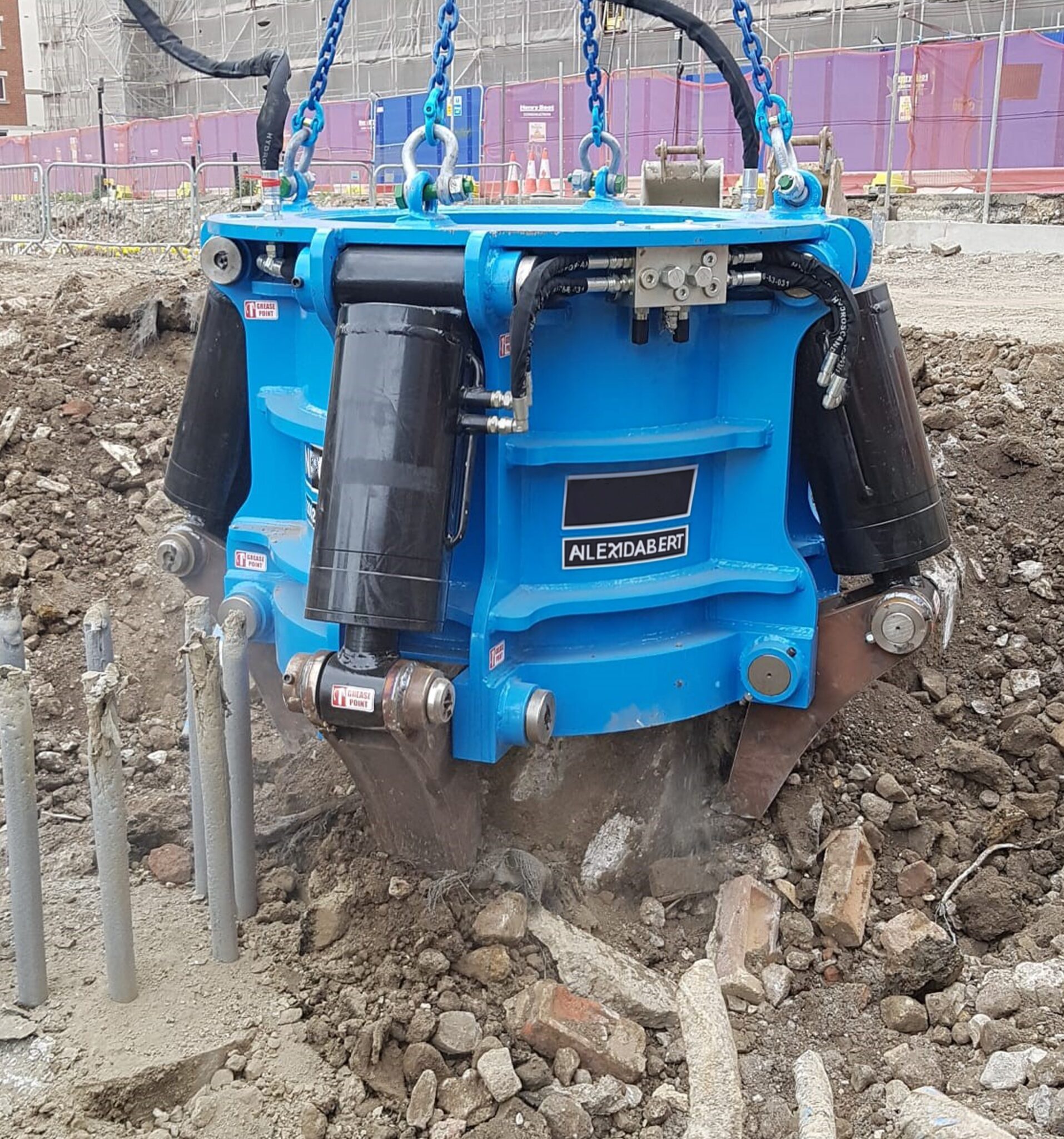
An accuracy that starts at the very beginning is needed for modern infrastructure projects. With every bridge, commercial tower, train track, or industrial plant, each foundation pile needs to be done right before the next stage in the building process starts. The process of removing excess concrete from the top of the foundation piles to the proper design level while still having the reinforcement protected from damage is called pile trimming. If properly done, it can enhance structural performance, quality of construction and project development without delays.
Plan Before Trimming
The most important aspect of a successful foundation is the planning. The first step is for the engineers to establish the appropriate cut-off level according to the project drawings and structural needs. This way, every pile will have just enough height to connect it to the pile cap.
A work area should be surveyed before the cutting of the pile commences, to check for safety, access to equipment and positioning of reinforcement. A well-defined planning process minimizes errors, ensures a structured workflow, and supports construction teams to stay on track during the entire project.
Preserve Structural Reinforcement
Reinforcement bars are required to transfer loads from the Superstructure to the Foundation. These steel bars are not allowed to be permanently damaged during concrete removal to perform the intended function.
Smart pile cuts trim off the top concrete. This leaves all steel bars fully intact. Builders will use careful steps to avoid bad harm to the pile. Saving the steel today keeps the base firm. So teams can skip hard-fix jobs down the road.
Select Suitable Equipment
Various types of trimming are suitable for various construction projects. Small projects can be completed using hand tools, but large infrastructure projects often require more specialized mechanical equipment to work efficiently and accurately.
The equipment selection for Pile trimming will depend on the size of the pile, the strength of the concrete, the size of the project and site conditions. High-volume construction projects are well served by modern machines, which can produce cleaner results and save time on manual labor, as well as ensure a uniform finish of several piles.
Maintain Quality Standards
Each cut pile should be checked prior to the next phase of construction. Engineers inspect the concrete surface to ensure that it is sound, the reinforcement is exposed and that the cut level is correct to the design.
As Pile trimming takes place, regular quality checks are made, which aid in identifying defects early and correcting them before the installation of pile caps. Regular checks also help to build trust that the built Foundation will be able to carry the structure as planned and that it will meet project needs.
Prioritize Safe Operations
The foundation work requires heavy machinery, reinforced concrete and challenging site conditions. Throughout the trimming process, safety should be kept in mind.
Workers should wear suitable personal protective equipment and use the established work site procedures. Train the tool crews well and keep the work zone clear of bad risks. A good pile trim job keeps workers safe. It also stops delays that mess up job timelines.
Conclusion
Good base work builds lasting sites. Trimming piles matters a lot for this step. That all aids in making tough bases and better work output. As big builds grow, we must rely on strong ways that hold up well. For more insight and practical information about current pile preparation solutions and foundation technologies, visit Brextor.com.