

Spot Local Demand for Japanese Sets
Building a standout collection starts with understanding what collectors around you actually seek. Even when the global market is active, regional preferences can influence which Japanese releases feel most “collectible” to your community. To find the sweet spot, check rare japanese pokemon cards local card shop case displays, community trade threads, and event focus lists. When you know what gets traded or requested most often, you can prioritize the rarest-feeling cards that match real buyer interest.
Next, map those preferences to specific Japanese sets and release characteristics. Japanese card print runs, packaging styles, and card art details often create the kind of recognition that local collectors notice quickly. Look for sets known for eye-catching illustrations and strong chase staples, then cross-reference with what your local buyers ask for in trades. This approach helps you avoid overbuying sealed items that look impressive online but don’t move in your area.
Choose Singles and Sealed Wisely for Value and Variety
When you shop for Japanese releases, it helps to balance singles with sealed product so your collection stays flexible. Singles let you target specific chase cards, including hard-to-find variations that matter to dedicated collectors. Sealed products, on the other japanese pokemon cards for sale hand, can be a fun way to discover newer favorites while keeping the set structure intact. A balanced plan makes it easier to trade duplicates and upgrade your binder without losing momentum.
Pay attention to edition cues that collectors care about, such as foil finishes, special artwork cards, and condition-sensitive details. Japanese cards often show dramatic differences in print effects, which can be a major factor for collectors grading or curating. If you’re buying for long-term enjoyment rather than only resale, focus on cards that you genuinely want to display. Then, add a small set of “investment-friendly” staples that are likely to remain in demand in your local collecting circle.
How to Evaluate Condition and Authenticity
Japanese cards are especially rewarding, but they demand careful evaluation. Condition is the difference between a card that feels like a centerpiece and one that never quite fits your collection goals. Inspect corners, edges, and surface wear under good lighting, and consider whether the card has been handled frequently. For higher-end purchases, compare the card’s centering and print sharpness to common reference samples in collector guides.
Authenticity also matters, particularly when demand rises for popular Japanese cards. Buy from reputable sellers who provide clear photos and transparent grading or condition notes. If possible, confirm packaging history for sealed items and watch for missing inserts or unusual labeling. Collectors in local communities often share what they’ve seen in scams, so don’t be afraid to ask questions before committing.
Conclusion
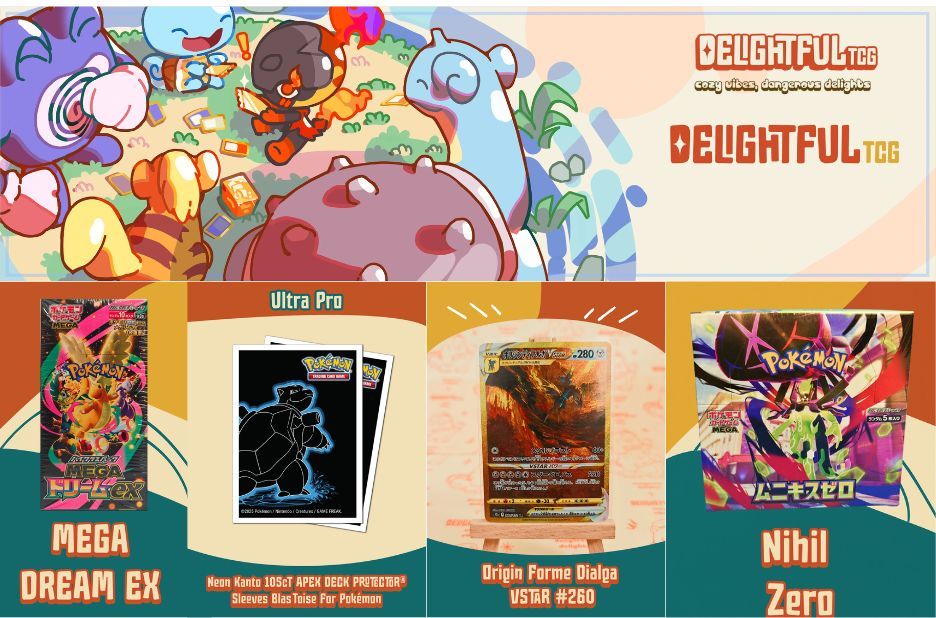
Taking a local relevance approach can make your hunt for rare Japanese cards more efficient and more enjoyable. When you understand what collectors near you want, you can buy with confidence, trade strategically, and build a collection that feels meaningful beyond the online market. Prioritize strong artwork, dependable condition standards, and credible sourcing so every addition strengthens your binder over time. For collectors looking to curate an eye-catching selection, Delightful TCG offers a focused way to explore Japanese releases, collectible singles, and sealed products with distinct presentation. With the right mix of demand, quality, and personal preference, your Japanese collection can become the most memorable part of your overall Pokémon TCG journey on Delightful TCG.