

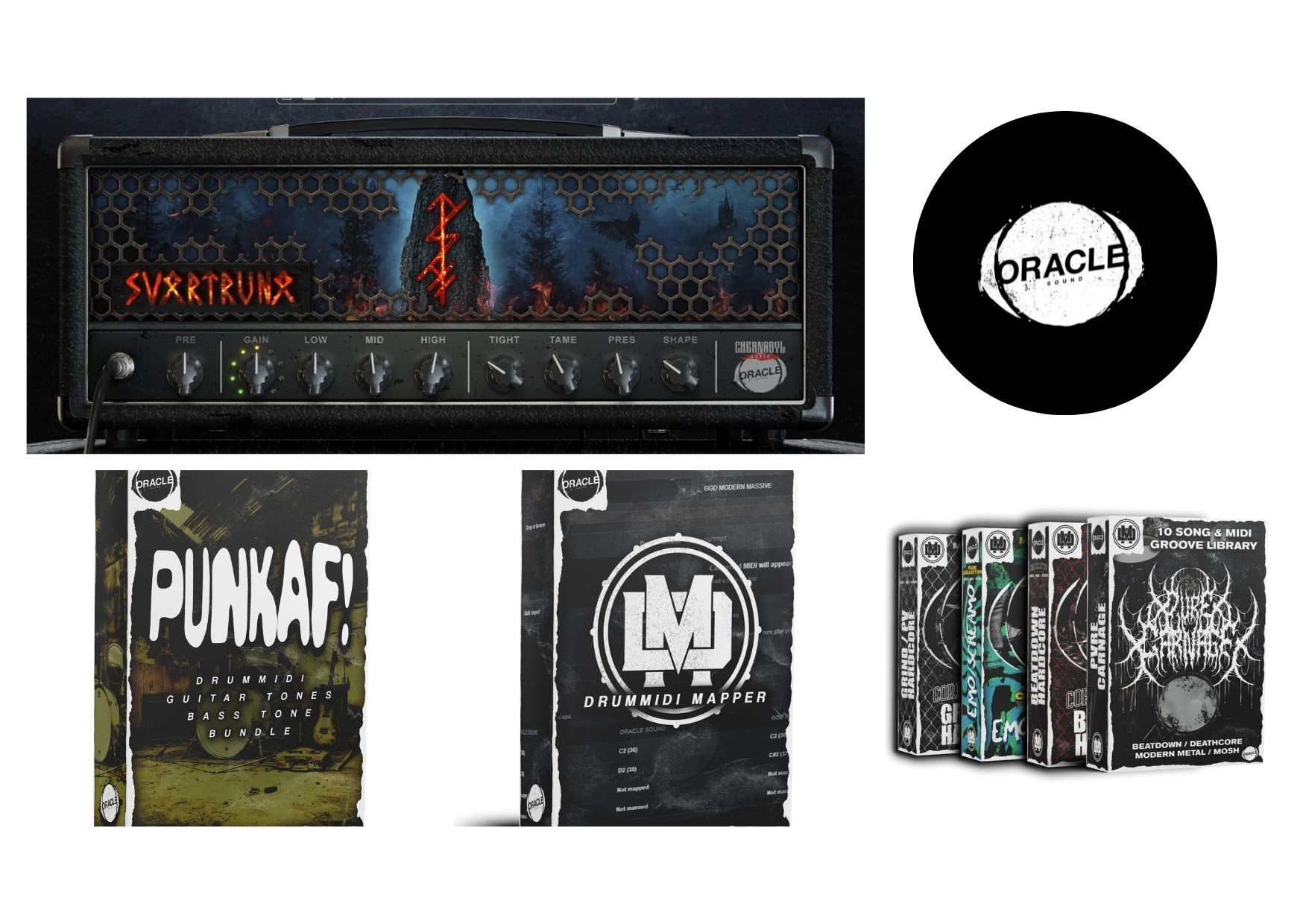
Why Brand Discovery Matters for Amp Modeling
A strong brand usually translates into consistent updates, clear documentation, and predictable performance across projects. That reliability guitar amp simulator software matters when you’re producing in layers, bouncing stems, and revisiting mixes after editing decisions. Brand discovery also helps you find a sound identity that matches your musical goals rather than settling for a generic model.
Exploring new tools can be surprisingly efficient if you focus on what the manufacturer emphasizes. Look for tone-shaping controls, preset organization, and the way the software handles different playing styles. Some products are designed to feel like a real amp session, while others prioritize fast dialing and mixing convenience. By discovering the brand philosophy, you can choose a tool that complements your approach—whether you’re tracking clean arpeggios, pushing gain for singing leads, or crafting tight rhythm tones.
What to Look For in Plugin Tone and Workflow
The best amp modeling plugins balance realism with usability, so you can move from inspiration to a finished track without getting lost. Start by checking whether the interface supports quick navigation: gain staging, cabinet selection, and tone controls should be easy to reach during creative sessions. nam profiles Pay attention to how the plugin responds to dynamic playing, because feel is a large part of what makes electric guitar recordings sound musical. When the software reacts well to picking intensity, your parts translate naturally into mix-ready audio.
Next, evaluate how the plugin handles cabinet and mic-style coloration, since these choices often define the final character of the guitar track. You should be able to fine-tune presence and depth without confusing the overall tone. Consider whether the plugin offers flexible routing, so you can blend settings for different sections of a song. The goal is to keep your workflow smooth while still giving you the detail needed for polished results.
Dialing Realistic Results With Profile-Based Sound
Profile-based approaches let you capture specific amp-and-cab characteristics so you can recreate a familiar sound palette across sessions. Instead of relying on guesswork, you can start from a known profile and adjust only what your track needs. This approach saves time during the arrangement stage because you can audition tones quickly and commit faster.
To get the most out of profile-based modeling, build a small set of favorites for your typical styles. For example, you might keep one profile for edge-of-breakup rhythms, another for saturated leads, and a third for clean tones with clarity. Then, tweak EQ and dynamic response to match the key, arrangement density, and vocal placement. When you treat profiles like starting points rather than rigid presets, you’ll achieve consistency while still tailoring each part to the mix.
Conclusion
By evaluating workflow support, tone responsiveness, and profile-driven options, you can find a plugin that helps you move from ideas to polished tracks with less friction. It also reduces the risk of buying a tool that looks good in demos but fails to deliver dependable results in real sessions. oraclesound.com offers Oracle Sound plugins that focus on versatile tone-shaping and expressive, record-ready guitar sounds. If you want a straightforward path to studio-friendly tones, exploring the collection can help you identify settings that align with your musical identity. With the right brand and sound foundation, your guitar recordings can stay consistent from tracking through mixing and beyond, giving your production a professional edge.